

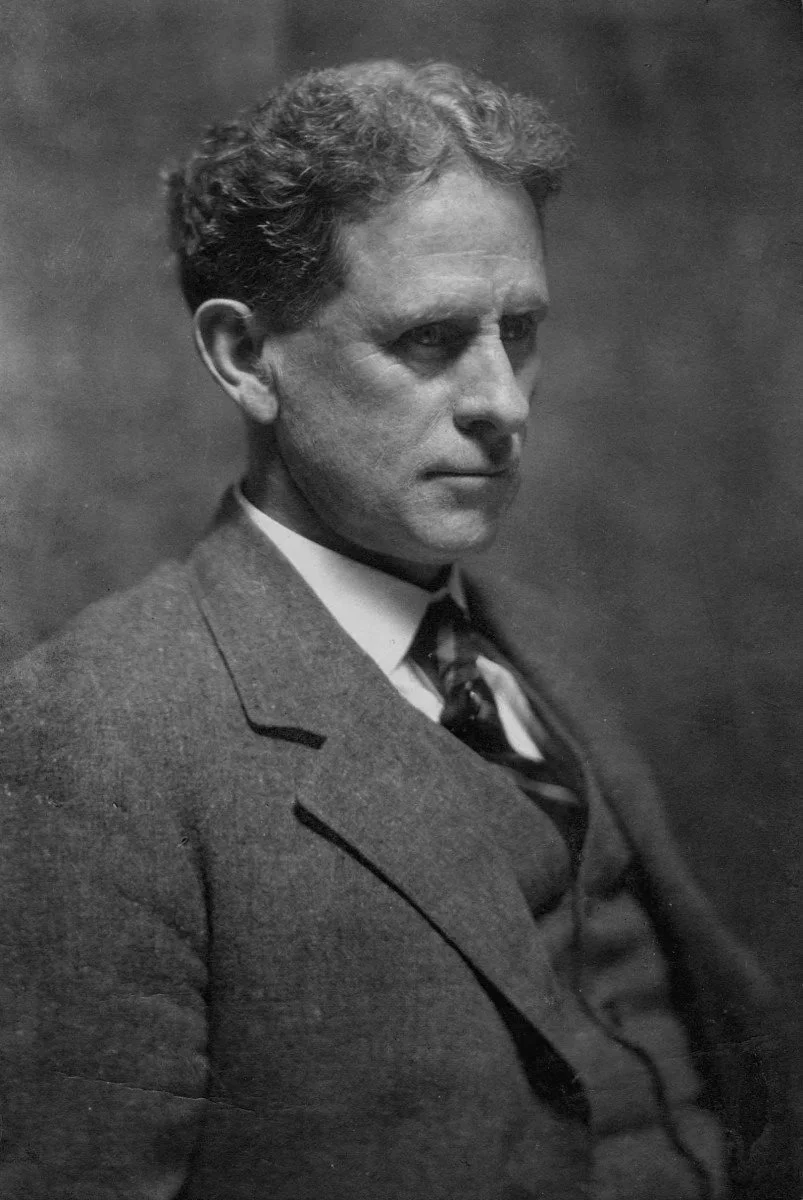
ALEXANDER PHIMISTER PROCTOR
1860-1950
Image Source: ALEXANDERPROCTORSCULPTOR.ORGBorn in 1860, Alexander Phimister Proctor was a quintessential Westerner whose life integrated a passion for wilderness with a mastery of sculpture.
Growing up in Colorado, he developed a dual devotion to hunting and sketching, eventually formalizing his training at New York’s Art Students League and Paris’s Académie Julian. As he noted in his autobiography, Sculptor in Buckskin, he sought to balance a life in the wild with "worthwhile" art.
ALEXANDER PHIMISTER PROCTOR BIOGRAPHY
-
Proctor’s expertise was rooted in direct observation; he viewed hunting as the "breath of life" that informed his sculptures. During the 1893 World’s Columbian Exposition, his range impressed pianist Ignace Jan Paderewski, who noted Proctor’s ability to capture both the ferocity of a panther and the delicacy of a fawn.
His monumental legacy spans the U.S. In New York, General Sherman rides a Proctor-sculpted horse in Central Park, while Denver features his Bronco Buster. Other major works include the Tigers at Princeton University, buffalo on D.C.’s Q Street Bridge, and his final masterpiece, Mustangs, at the University of Texas at Austin. Active until his death in 1950, Proctor remained adventurous even in old age, hunting bears at 84. His art continues to celebrate the spirit of the American frontier in museums and public spaces nationwide.
1897
Bronze with red/brown patina
16 inches
INQUIRE