


Addison Rowe Gallery
Sharing an Artistic Narrative
March 2026
Addison Rowe Gallery
Sharing an Artistic Narrative
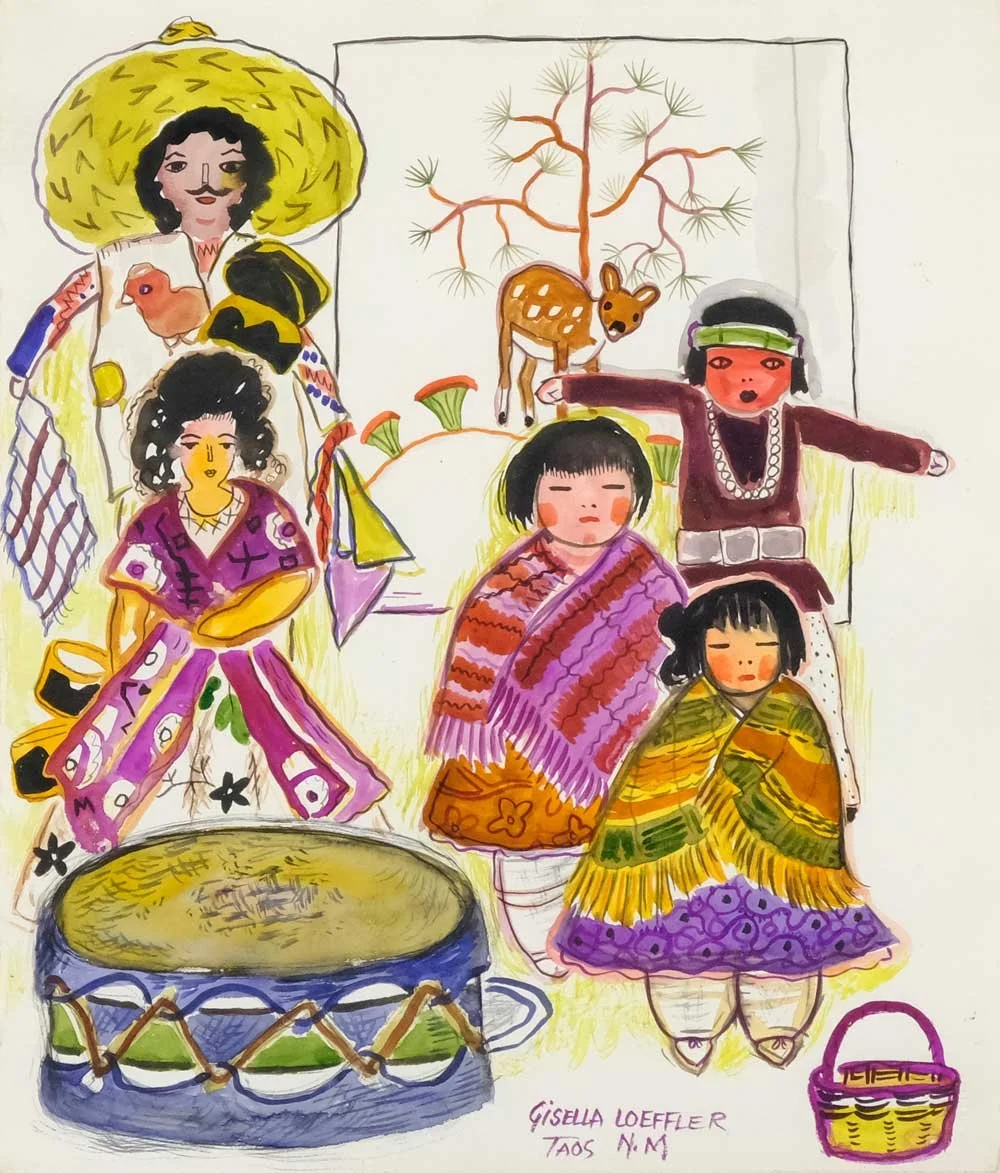
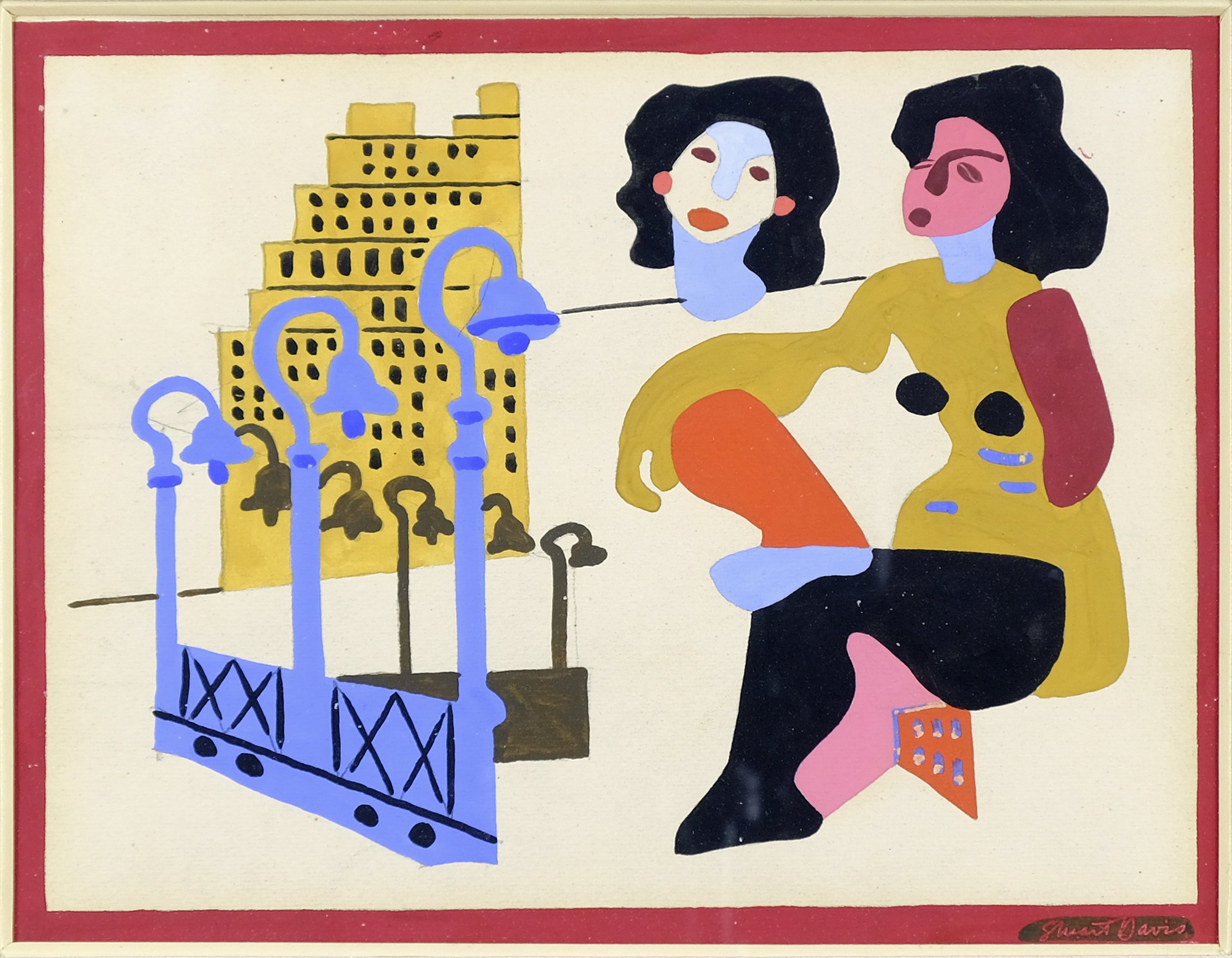
In celebration of Women's History Month, this collection highlights the central role of women as both creators and subjects, tracing the evolution of 20th-century art from intimate domesticity to urban abstraction. The featured works, including pieces by Mary Cassatt, Abastenia St. Leger Eberle, Marguerite Zorach, and Gisella Loeffler, illustrate how artists integrated diverse perspectives on identity and social realism into modernism.
-
These works represent a diverse intersection of 20th-century modernism and regional identity, unified by their exploration of human figures—particularly women and children—situated within rhythmic, cultural, or natural environments. This expanded selection traces the evolution of 20th-century modernism, linking intimate domesticity to bold regionalism, social realism, and urban abstraction.
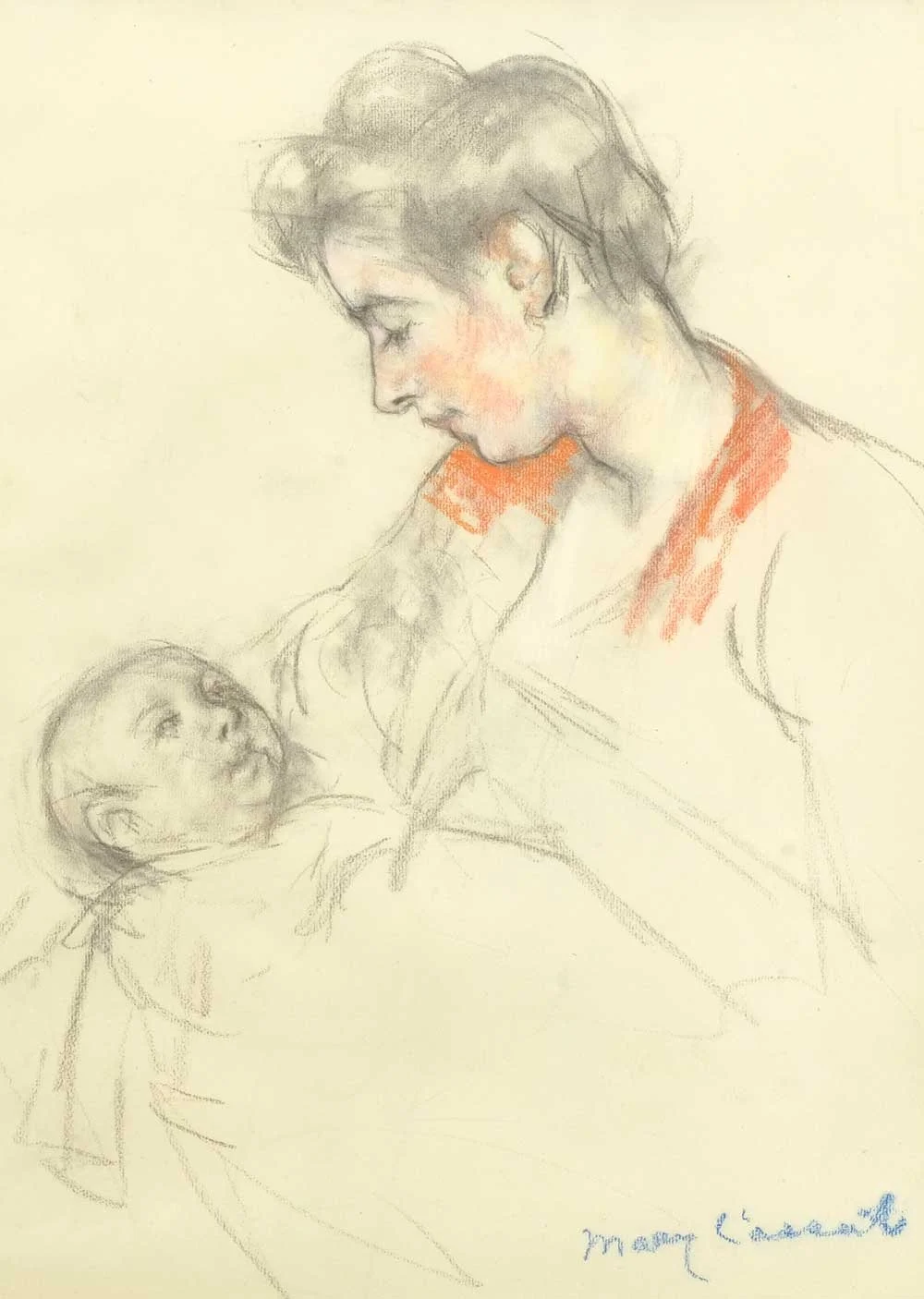
Mary Cassatt’s, Mother and Child, (ca. 1900) establishes a foundational focus on intimate domesticity, using charcoal and pastel to elevate the maternal bond into a core subject of modern art.
Abastenia St. Leger Eberle’s, Roller Skatin,g (Girl Skating) (1906) shifts this focus toward social realism. Her bronze statuette captures the ecstatic energy of immigrant children on New York’s Lower East Side, finding "absolute abandon" and vitality in the grit of urban poverty.
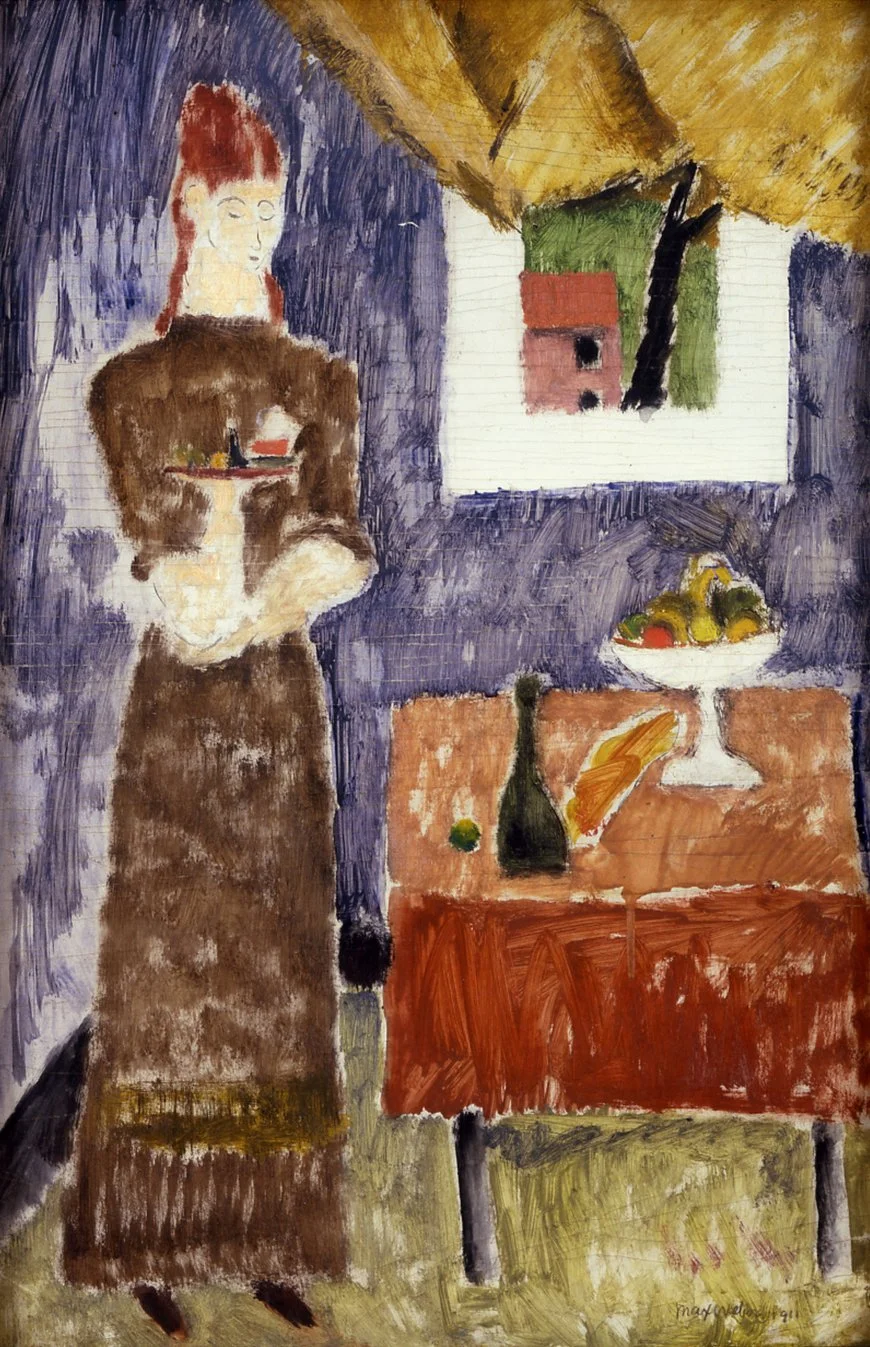
Max Weber’s, Woman Serving, (1911) bridges the gap between figurative tradition and early American Cubism. Through his distinctive "stylized figuration," Weber employs a rhythmic, flattened composition to transform a mundane domestic act into a study of structural energy and modern form.
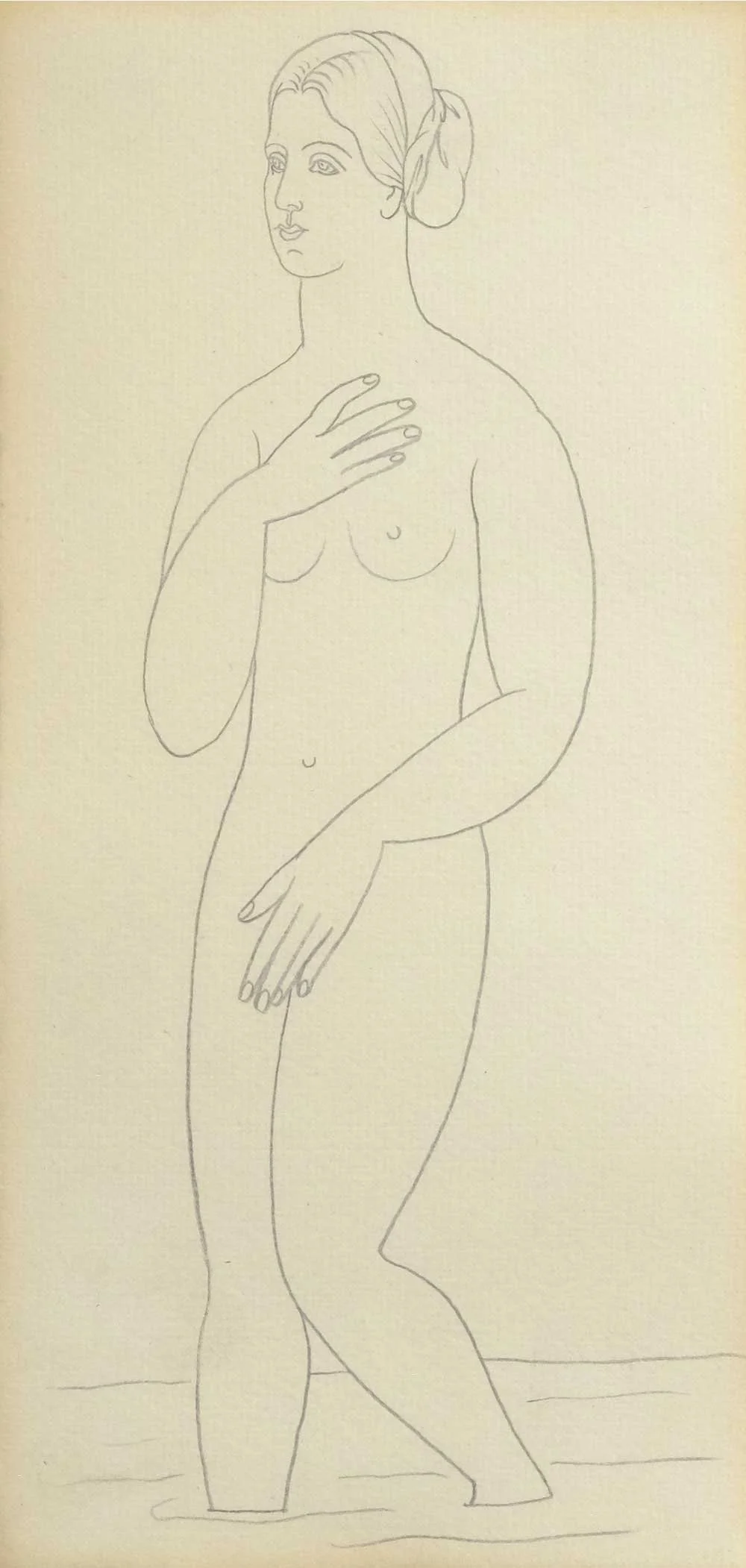
Pablo Picasso’s, Nu debout, les pieds dans l’eau, (1920) continues the motif of figures in nature, rendered with the firm, continuous outlines characteristic of his neoclassical period.
Paul Manship’s, Flight of Europa, (1925) reinterprets classical myth through a modern, Art Deco lens. His gilded bronze emphasizes a witty, rhythmic composition where horizontal and vertical lines create a sense of airborne motion.
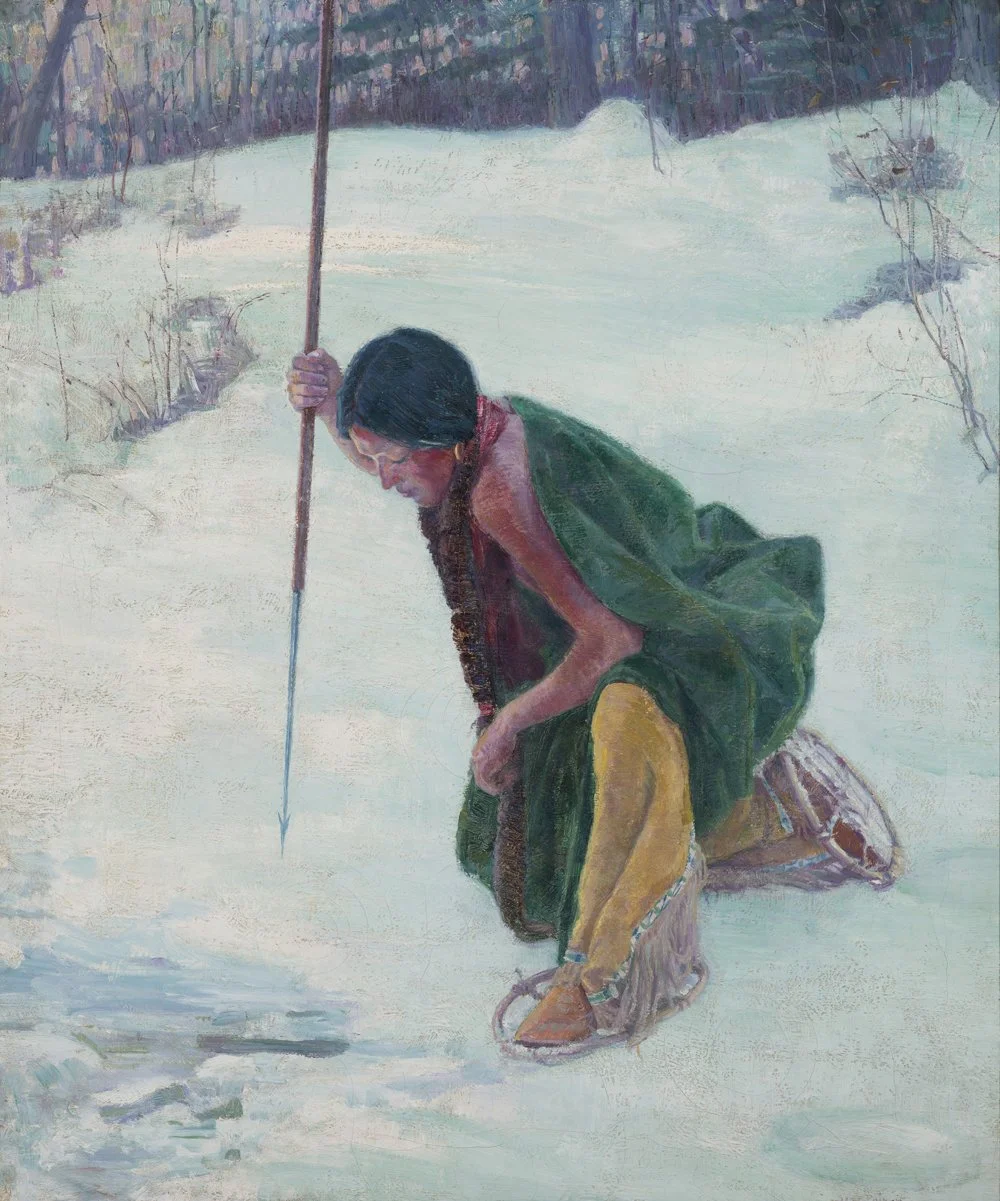
Bert G. Phillips’s painting, A Daughter of the Water Clan, and Gisella Loeffler’s watercolor, Folk Art with Children, express the cultural landscape of the Taos art colony. They portray Indigenous and folk-art subjects that represent the traditional spirit of the Southwest.
Stuart Davis’s, Broadway Rhythm, (ca. 1931) provides an abstract finale, translating the syncopated energy of modern city life into a visual language that echoes the structural patterns found in earlier art works of the period.
Together, these paintings demonstrate how artists throughout time have balanced classical figure studies and narrative traditions with the emerging pulse of social realism, American modernism, and regionalist folk art.
EXHIBITION ARTWORKS
1919
Oil on canvas
24 × 20 inches
Signed and dated lower right
HOLD